 WEFARO OUTDOOR
What Is a Good MOQ for Wholesale Camping Gear? How Tiered Pricing Works
MOQ is the number that decides whether a camping gear order makes money. How minimum quantities work for wholesale, OEM and ODM orders — and why the unit price falls in tiers as quantity rises.
Ask three factories for a tent quote and you may get three different minimum order quantities. That is not inconsistency: MOQ is not one number, it is a structure that depends on what you are asking the factory to do. This guide explains the structure — and the tiered pricing that sits on top of it — so you can plan a first order with realistic numbers.
What MOQ actually means
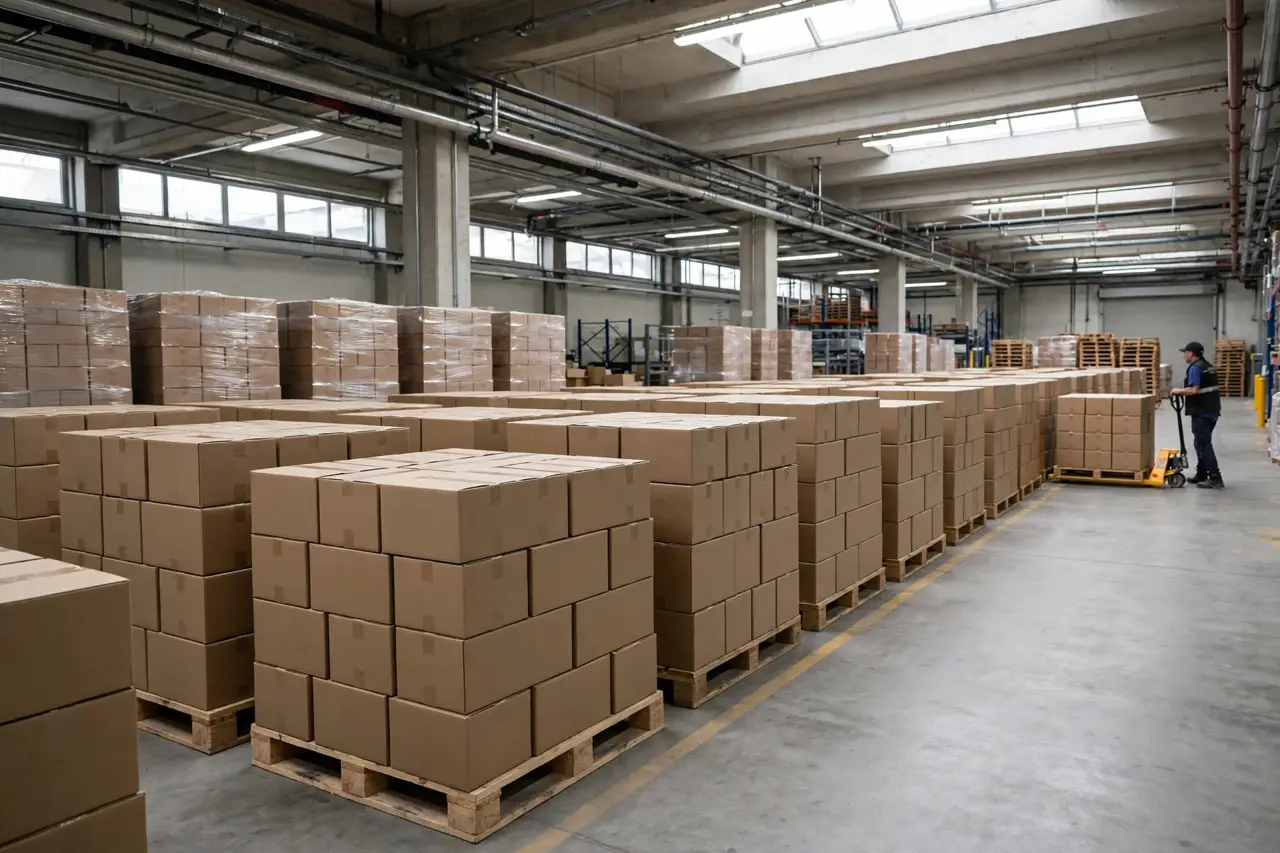
MOQ is the smallest quantity a factory will produce or supply for one order. For camping gear it is normally counted per SKU — one model, in one colour — not across a mixed order. That is because each SKU carries its own setup: fabric cutting, print screens for logos, packaging print runs and production-line changeovers all happen per model, not per container.
The three order types: wholesale, OEM and ODM
Plain wholesale — the factory's existing models, as they are — carries the lowest MOQ, starting from 50 pcs per SKU in our programme. OEM adds your branding: a printed or embroidered logo, custom colours and retail packaging, and typically starts around 300 pcs. ODM means a design developed for your brand, and starts around 500 pcs, because tooling and development costs have to be spread over more units.
How tiered pricing works
On top of the MOQ sit quantity tiers. Our published prices show three: the base FOB price from 50 pcs, a lower unit price from 300 pcs (6% below base), and a further step down from 1000 pcs (11% below base). The same structure appears across the range — tents, backpacks, chairs and the rest of our 148 products in 20 categories — so you can estimate a mixed order's pricing before asking for a formal quotation.
Why the price falls as quantity rises
The setup costs behind each SKU — cutting, screens, packaging plates, line changeover, inspection time — are roughly fixed whether you order 50 or 1,000 pieces. Spread over 50 units they are a visible part of the price; spread over 1,000 they nearly disappear. Materials also get cheaper in volume. Tiered pricing is simply those two effects made visible.
How to choose your starting quantity
For a first order, the sensible path is: sample first (standard samples take 7–10 days), then start at the tier your sales forecast honestly supports, and keep the season in view — production runs 25–35 days after sample approval, with shipping quoted separately. A smaller first order that sells through teaches you more than a container that arrives after your season ends.
Final pricing is always confirmed by quotation for your quantity and destination. Send the products and quantities you are considering to [email protected] or WhatsApp +86 173 2007 5632, and we will quote the exact tier for each item.
Frequently asked questions
Can I mix different products to reach the MOQ?
MOQ is counted per SKU, so different models do not add up toward one minimum. You can, of course, order several SKUs in one shipment — each simply needs to meet its own minimum for its order type.
Can I order a sample before committing to the MOQ?
Yes — samples are separate from MOQ and are the normal first step. Standard samples take 7–10 days; use them to check materials, workmanship and packaging before any production order.
Does a bigger order always mean a lower unit price?
Within the tier structure, yes: 300+ pcs prices below the 50+ base, and 1000+ below that again. Beyond the published tiers, very large or repeat orders are quoted individually — ask, and the quotation will show the exact number.
Are the website prices the final prices?
They are the published FOB tier prices and the right basis for planning. The final quotation confirms the price for your exact quantity, customisation and destination, including how shipping is handled.