 WEFARO OUTDOOR
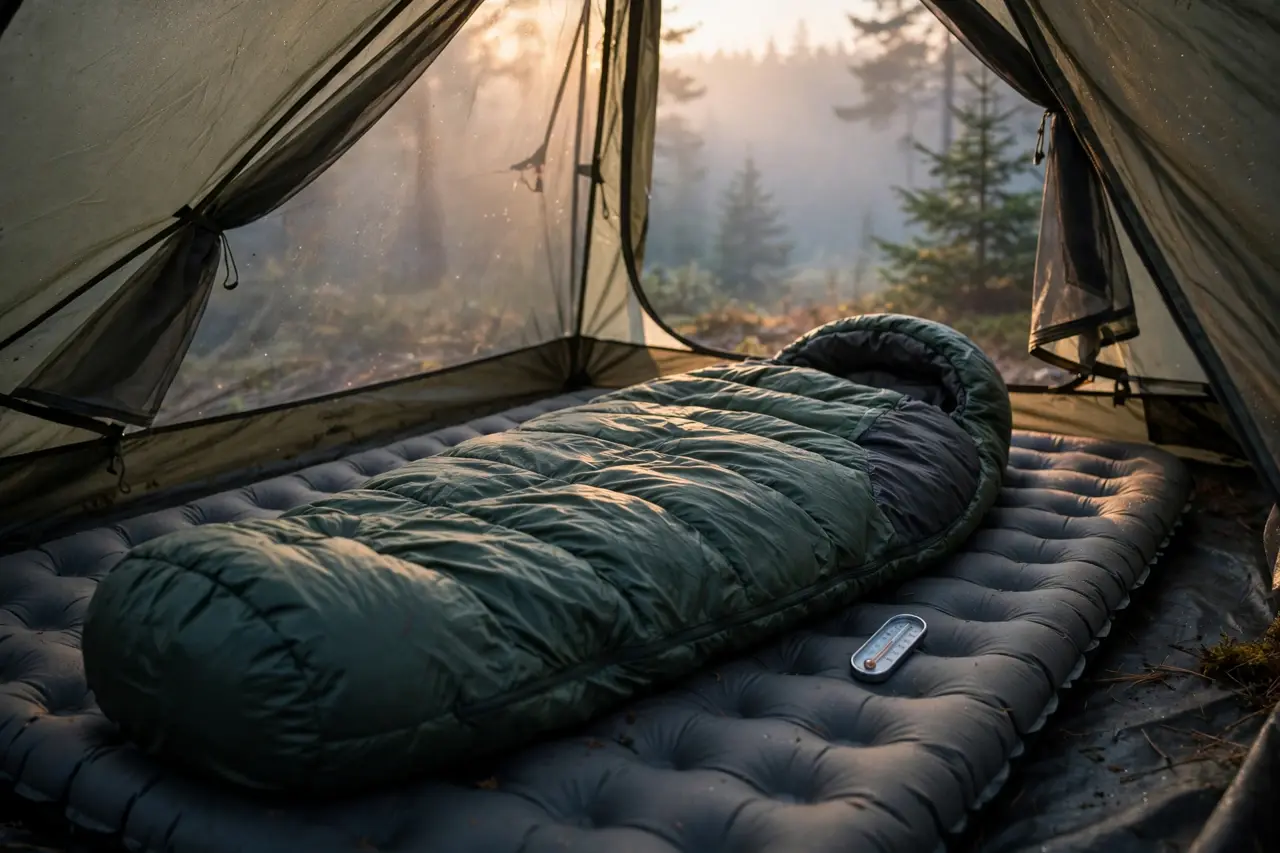
Sleeping Bag Temperature Ratings: Comfort vs Limit
Comfort, limit, extreme — three numbers, three very different nights. How sleeping bag ratings are tested, why they differ between brands, and how to pick the right one for your climate.
A sleeping bag's temperature rating is the most important number on it — and the most misunderstood. Bags carry up to three figures, and buying by the wrong one is how campers end up shivering in a bag that was 'rated' for the cold.
The three ratings, honestly defined
The comfort rating is the temperature at which an average sleeper — the test standard assumes a woman, who typically sleeps colder — stays warm all night. The limit rating is where an average man can sleep without waking from cold, usually curled up and working for it. The extreme rating is a survival figure: the temperature at which the bag prevents hypothermia, not the one at which anyone sleeps well. Shop by comfort. Treat limit as a stretch goal, and extreme as marketing.
How the test works
Ratings come from a standardised test (EN/ISO) using a heated manikin in a controlled chamber, wearing a base layer, on an insulating pad. That last detail matters: the test assumes a pad. A warm bag on a thin summer pad will still sleep cold, because the ground drains heat the bag cannot replace — bag and pad are one system, rated together in practice if not on the label.
Why your night differs from the lab
People vary more than manikins. Cold sleepers should add 5 °C of margin; warm sleepers can take a little back. A tired, hungry, damp camper sleeps colder than a fed one in dry layers. Wind, a badly pitched tent, and a bag stored compressed for years all shave warmth. The rating is a starting point, not a promise.
Matching a bag to your climate
Work from the coldest night you realistically expect, not the average. Summer lowland camping: a 10–15 °C comfort bag. Three-season mountains: 0 °C comfort covers most nights. Shoulder seasons and high camps: −5 to −10 °C. Winter expeditions: −20 °C class bags with a pad to match. Our range is labelled by comfort rating from 15 °C down to −20 °C for exactly this exercise.
Down or synthetic?
Down packs smaller, weighs less per degree of warmth, and lasts decades if kept dry — our 800FP goose down ultralight is the extreme example. Synthetic fill costs less, insulates when damp, and suits wet climates and rental fleets. Choose by your weather and budget, not by fashion.