 WEFARO OUTDOOR
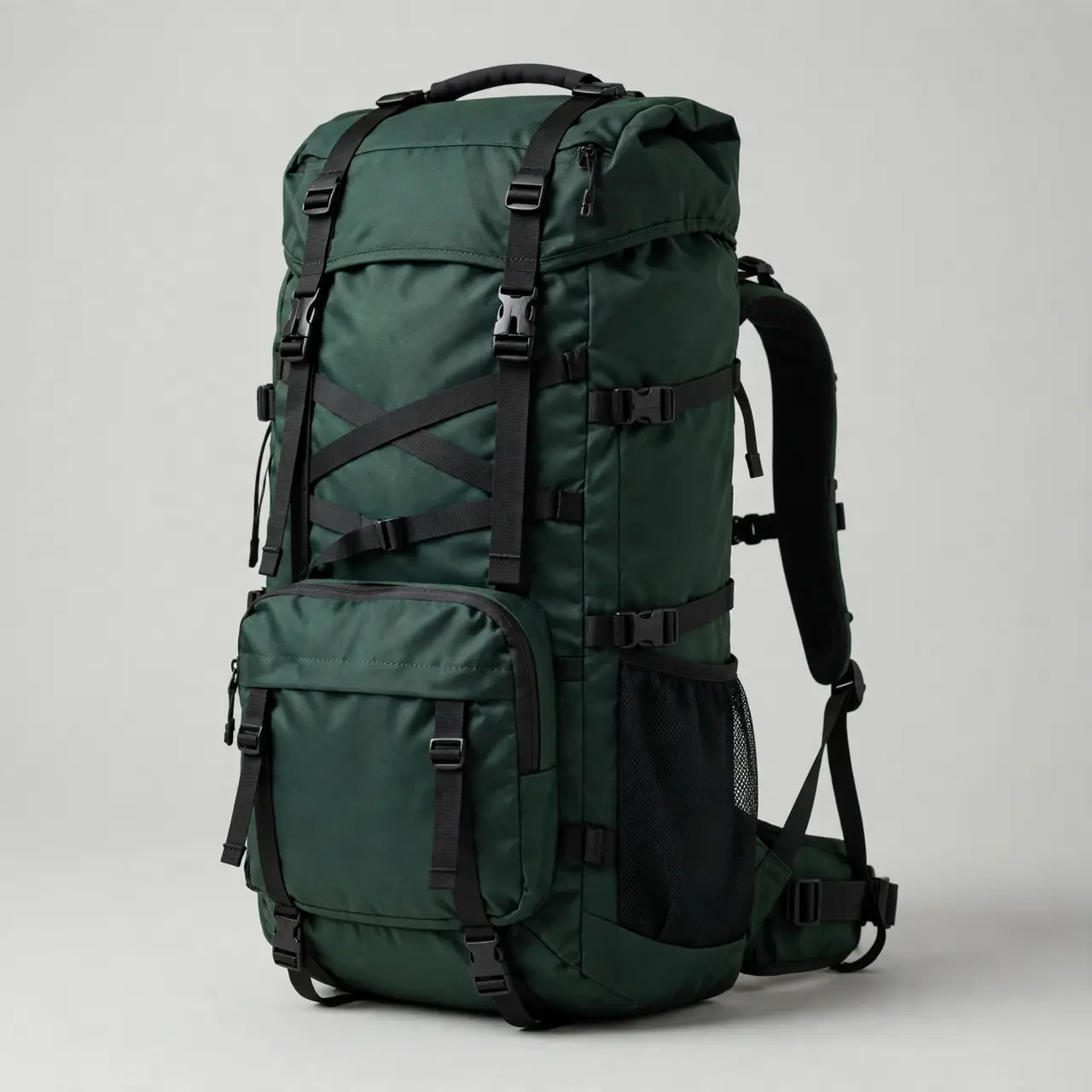
Backpack Capacity Guide: 40L vs 55L vs 65L
Litres are the headline, but trip length, season and shelter decide the size. How to work out the pack volume you need — and why the right answer is usually the smaller one that still fits.
Pack sizes look like a simple ladder — 40, 55, 65 — but litres measure volume, not wisdom. The right size comes from what you carry, and what you carry comes from the trip. Work through it in that order.
Start with the big four
Shelter, sleep system, clothing and food decide 80% of your volume. A compact 1-person tent, a down bag and an air pad might total 8 litres; a family tent share, a synthetic bag and a foam pad can triple that. List your own big four first — if you do not own them yet, our gear guides cover each — and let their real packed sizes, not the marketing ones, drive the maths.
40L: the long-weekend pack
Forty litres carries two to four days in summer for one person with compact gear: ultralight tent or a shared shelter half, a down or light synthetic bag, two changes of clothes, and food that packs dense. It is also the largest size that still feels like a day pack's bigger brother — the one most hikers reach for most often.
55L: the full-week default
Fifty-five litres is the honest default for a week on the trail in three seasons. It swallows a warmer bag, a real cookset, and the extra layer shoulder seasons demand, without forcing you to strap gear outside. If you buy one backpack for backpacking, this is the size class to start from.
65L: winter, groups and expeditions
Sixty-five litres earns its size three ways: winter, when insulation doubles in bulk; group trips, when one back carries shared kit like the tent or the kitchen; and expeditions, when climbing gear or a bear canister joins the load. Outside those cases, the extra space mostly fills with things you will carry all week and never use.
Fit beats volume
A pack that fits your torso and loads your hips will feel lighter than a smaller pack that hangs off your shoulders. Measure your back, adjust the harness, and load the heavy items close to your spine. And remember the rule every long-distance hiker learns: the pack you fill is the pack you carry — choose the size for the trip you take most, not the biggest you can imagine.