 WEFARO OUTDOOR
Hiking Footwear Guide: Collar Height, Outsoles & Sizing
Shoes, mids or boots? How collar height, outsole lugs and honest sizing decide comfort on the trail — and the fitting routine that prevents the most common footwear mistakes.
Footwear is the one purchase where a small mistake is repeated ten thousand times a day — once per step. This guide covers the three decisions that prevent most of those mistakes.
Collar height: support versus freedom
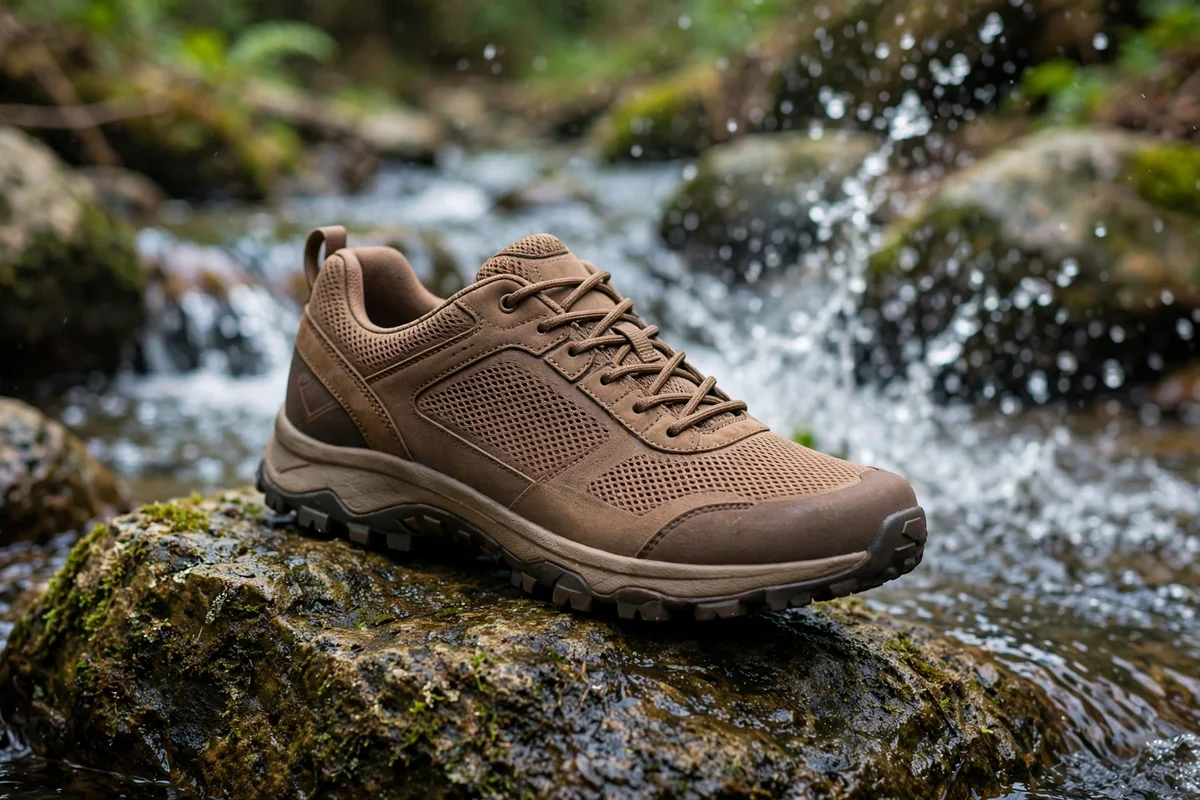
Low hikers are light, cool and flexible — the right tool for maintained trails and light packs. Mid boots add ankle coverage and stability under a loaded pack, and keep grit and water out longer. High boots earn their weight in winter, on rough off-trail ground, and for ankles that need the help. The honest rule: support should follow load and terrain, not fear — most three-season hikers are happiest in mids, which is where our range concentrates.
Outsoles: lugs and rubber
Deep, multi-directional lugs bite mud and loose ground; shallower, broader patterns grip rock and hardpack. Rubber compounds trade the same way: softer rubber grips wet rock and wears faster, harder rubber lasts and skates a little on wet stone. Look at the heel brake — the distinct lugged zone at the back — because descents are where soles prove themselves.
Sizing: measure, do not guess
Feet swell over a day and over a hike. Measure both feet in the evening, in the socks you will hike in, and size to the larger foot. For multi-day trips, take half to a full size over your street shoes so toes clear the front on descents. Our size runs publish insole lengths in centimetres precisely so you can measure instead of converting between national systems and hoping.
The fitting routine
Try footwear late in the day, laced as you would on the trail. Walk down an incline — a shop ramp or a slope outside — and check your toes do not strike the front. Walk up and check the heel does not lift and rub. Ten minutes of this prevents the two classic injuries: black toenails from descents, blisters from heel slip.
Breaking in and waterproofing
Modern synthetic footwear needs little breaking in — a few walks, not a season. Leather asks for more patience and rewards it with years. Waterproof membranes suit wet climates and winter; in hot, dry country a non-waterproof shoe that dries overnight is often the smarter tool.