 WEFARO OUTDOOR
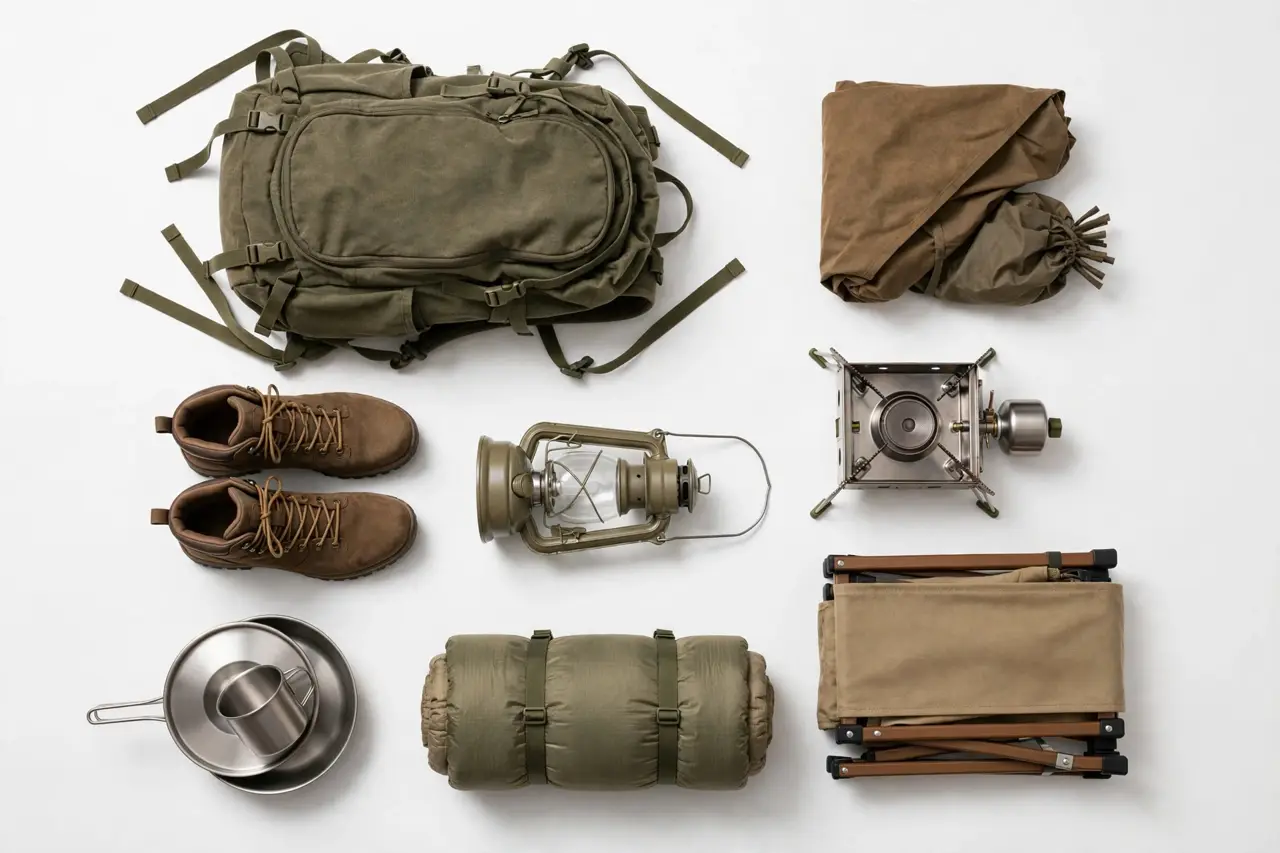
Gear Care & Storage: Make Your Kit Last
Most gear dies in storage, not on the trail. The drying, cleaning and storing routines that double the life of tents, bags, pads and poles — in the order to do them after every trip.
Ask a repair bench what kills gear and the answer is rarely the mountain. It is the damp bag in the corner, the tent stored wet, the down crushed for a year. Care is a system of small habits, and here they are in trip order.
Dry everything first
Before cleaning, before storing: dry. Pitch the tent indoors or hang it until the fly and inner are bone dry — a tent stored damp grows mildew and its PU coating breaks down, which is how waterproofing dies quietly. Air sleeping bags and pads with valves open. Boots dry slowly, away from radiators that crack materials.
Clean gently, rarely
Most gear needs less washing than owners think. Shake out, sponge with lukewarm water and a little mild soap, rinse well. Technical fabrics and down suffer under detergents and heat; down needs its specific wash and a long, patient dry with the clumps teased apart. Zips cleaned of grit with a brush will outlive the garment.
Store loose, dark and dry
Down and synthetic insulation must be stored uncompressed — in a large cotton sack or hanging — because a year in a compression sack is a year of loft dying. Tents store loosely too, with poles outside their sleeves if space allows. Pads store with valves open. Everything stores away from sunlight, whose UV ages fabrics in storage as surely as on the hill.
Maintain the moving parts
Pole shock cords relax with age; sections are replaceable, and a pole repaired beats a pole replaced. Lubricate zips that drag. Re-proof DWR finishes with a spray when water stops beading — the coating underneath still works, but the finish is what keeps the face fabric from wetting out. Seam sealant on an older tent's seams is an afternoon that buys seasons.
The five-minute habit
All of this compresses into one rule: unpack within a day of coming home, and never let gear sleep damp. Five minutes after each trip is worth more than a repair bill after ten.