 WEFARO OUTDOOR
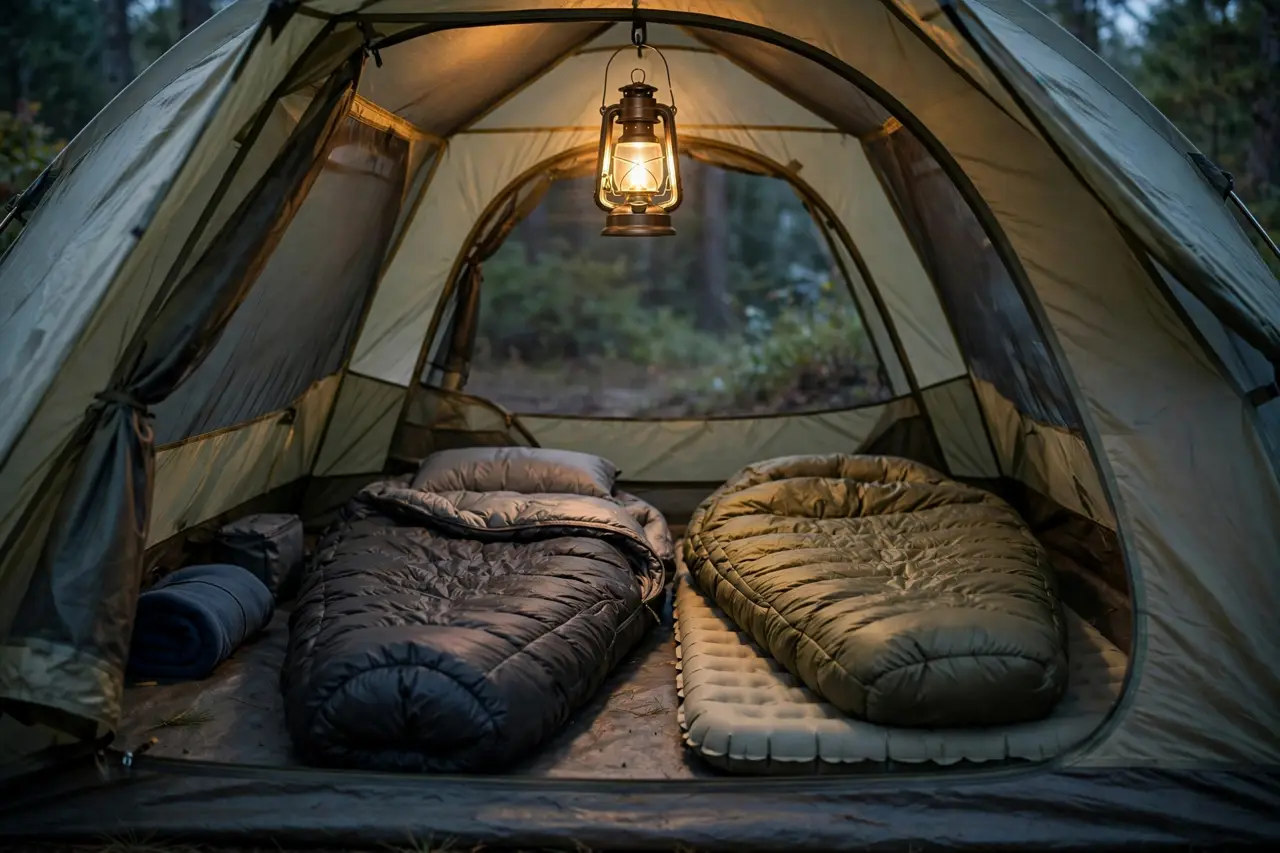
Building a Camp Sleep System: Tent, Pad & Bag
Warmth is a system, not a product. How tent, pad and bag ratings combine, where heat actually escapes, and how to spec the three pieces so the coldest night is covered.
Every cold camper owns at least one warm product. The ones who sleep warm own a system: three pieces chosen to work together, because heat escapes through whichever one was bought as an afterthought.
Where the heat goes
A sleeper loses heat four ways: down into the ground by conduction, up and around by convection, out through the head and neck, and by breathing cold air. The pad owns the first, the bag owns the second, and the tent moderates all of them by stopping wind and holding a layer of still air. Rate them in that order of importance and the system builds itself.
Step one: the pad, by season
Choose the pad's R-value by the ground you will sleep on: R 1.5–2.5 for summer, 2.5–4.5 for three seasons, 4.5+ for winter — and remember the sleeping bag's test assumes a proper pad underneath. A −10 °C bag on a summer pad is a system rated for neither.
Step two: the bag, by comfort rating
Choose the bag by its comfort rating against the coldest night you realistically expect, adding margin if you sleep cold. Shape follows trip: mummy bags are warmest per gram, envelope bags are roomiest per dollar, and a bag that unzips into a blanket covers two seasons of family camping.
Step three: the tent's quiet contribution
A tent adds warmth by killing wind chill and trapping air — a few degrees' worth, and more with a full fabric inner than a mesh one. Ventilation matters as much as insulation: a sealed tent rains condensation on its sleepers, so crack the vents even on cold nights. Site selection is the free upgrade: out of hollows, out of wind funnels, on ground that drains.
The system check
Before a trip, lay the three together and ask one question: if the forecast's coldest night arrives, which piece fails first? Upgrade that one. It is almost never the bag.